
Wormwood – including an absinthe recipe
Wormwood for me is like a romance can last a few hours or a few decades. Granted short affairs can sometimes burn so brightly that they forever brand themselves inside your soul. Longer affairs are like slowly adding water to plaster of Paris. Each drop of water solidifies the union of two separate entities until, in time, they are as solid as stone.
My long romance with plants started off as a brief affair, perhaps my first as a young boy, I marveled at a small crop of chickweed which had sprouted up in the wild spot at the bottom of our garden whilst we were on our summer holiday. A pure green matt, twinkling with tiny white flowers in the place that once played home to an epic battle between the tiny but brave Star Wars figures vs the massive action man.
The love affairs grew over the years, flitting from plant to plant. Months obsessed with finding burdock, weeks studying yarrow, hours spent sitting under a pine feeling like the world had stopped just for us (me and the tree).
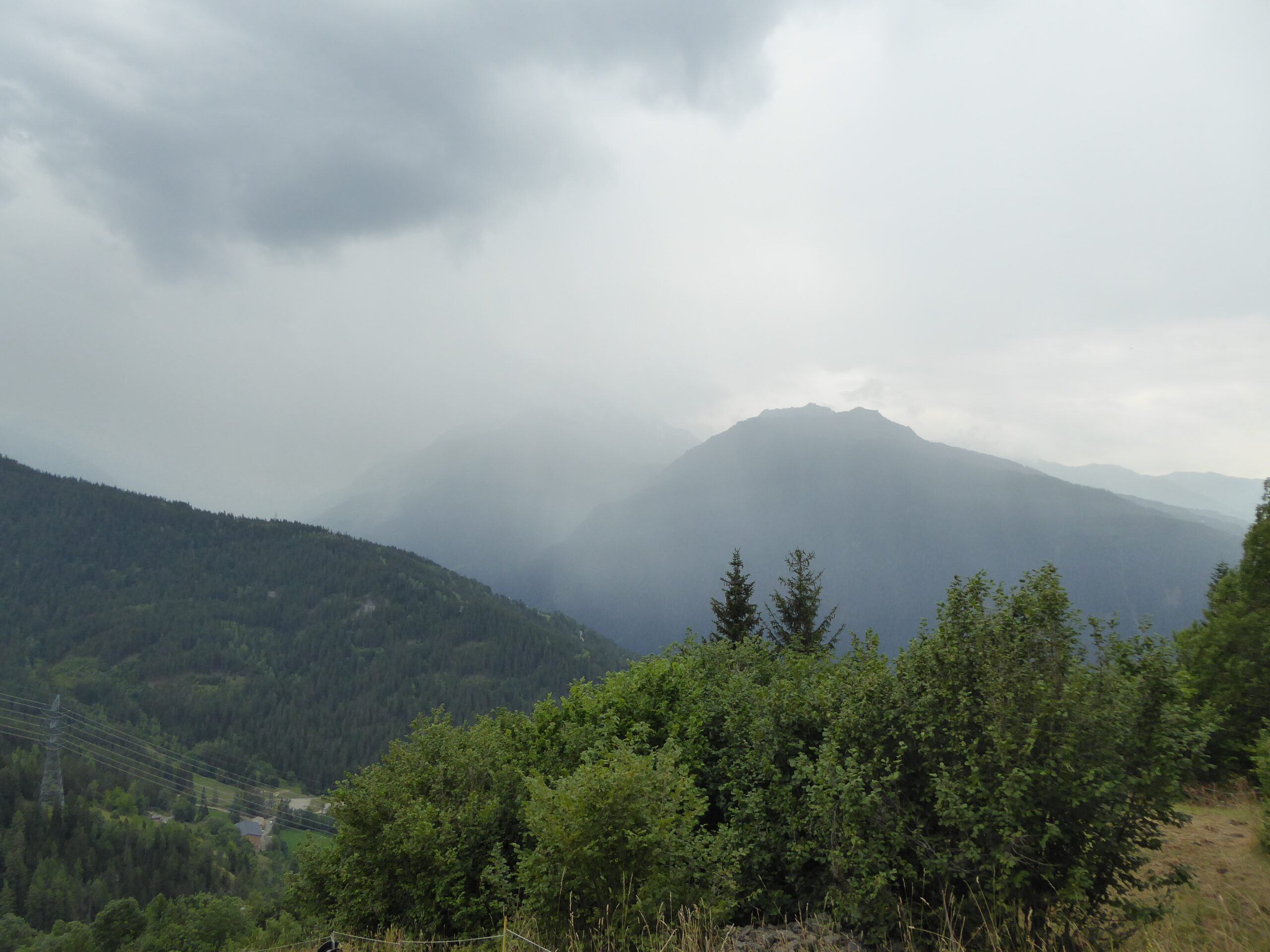
One such plant affair is a dichotomous one, still burning as brightly as the first time first encountered it in Northern Italy ascending a mountain known as Gran Paradiso in the Graian Alps. Its soft grey-green leaves billowing in the wind called to me in an ethereal manner. I plucked some with the plan of infusing them in my own vermouth made from plants found in Paradise.
It was perhaps this holiday romance that set the scene, ensuring a special place in my heart forever for Wormwood.
The trip also involved a lot of serious drinking, and I mean drinking for work of course. I drank in the vermouth bars of Turin sipping homemade concoctions made from centuries-old recipes, I infused myself with the vermouth culture further visiting the world-only vermouth museum on the outskirts of Turin, I toured the Bava winery home of the legendary Cocchi vermouth di Torino and during the tour, I quizzed them repeatedly for their methods; although they remained somewhat guarded, I did glean enough to make my own.
When I finally did turn the plants and experiences into vermouth it was exquisite. I shared it with customers at a friend’s restaurant. Drinking it straight. We toasted the wormwood and I held the image in my head of my first meeting as Strangers became friends and a fireside whistful memory was formed.
Growing Wormwood
I’ve sadly never encountered uncultivated wormwood in the UK. So, I quickly went out and bought my own plant and planted some in a spot in my garden that enjoys full sun, well drained soil my garden. Each spring I have to treat it for a black fly aphid infestation otherwise the feathery leaves will dry out. I spray a little soapy water on them and it works. However, once the autumn comes the equilibrium in the garden seems to create enough black fly eating insects to keep them at bay.

Harvesting wormwood
I pick leaves throughout the year as and when they are needed. I never pick too much from one place and never over pick. I left the plant unharvested for the first year until it had been established.
Using wormwood
Wormwood can be used fresh and dried in vermouth, gin, absinthe and other herbal drinks. Simply infuse in the spirit of your choosing, I recommend filtered vodka, leaving for a minimum of three days. Interesting fresh and dried wormwood have very different flavours. Fresh is not nearly so bitter and much of its floral notes are still noticeable.
After a recent bout of food poisoning, I also used a leaf in a tea blend along with some lemon balm, meadowsweet, and peppermint with a teaspoon of honey. Not sure if it helped but it did taste nice.
It has also been used to get rid of worms, hence the name. The great modern herbalist Thomas Bartram recommends making a tea and then injecting it up your arse. I think if I ever had to do this it might be the end of my holiday romance.
Absinthe Recipe
To really do absinthe justice you must try and get hold of the strongest spirit possible. In Italy you could buy 90% proof neutral grain spirit off the shelf in Lidl for around 5 Euro. In the UK it is not so easy to come by. Therefore, this recipe is not totally true to form and instead uses the Botanist gin as its base.
1 x 70cl bottle of gin
2 tsp fennel seeds
1 tsp anise seeds
1 star anise
1 tsp dried wormwood
5 x fresh wormwood leaves
1 tsp sweet cicley seeds
Equipment
One sealable jar
something to filter your absinthe through
Method
Place all the ingredients in the jar cracking and crushing the harder botanicals and slapping the wormwood leaves in your hands. Pour over the botanist gin. Seal the jar and bung it at the back of a cupboard for a few weeks to a month. Allow the taste to guide you. It is fine to keep dipping your finger in and tasting it, the alcohol will keep any nasty bugs at bay so don’t fear contamination.
As soon as you think it tastes good, filter back into the botanist bottle. Grab a time machine, head off to Paris and serve to 19th century artists and creatives. Alternatively, if you can’t track down Doc Brown or Marty Mcfly – serve neat and slightly chilled.
Or to do it justice, if you can locate an absinthe spoon and an absinthe fountain then allow fresh water to drip onto a sugar cube balancing on top of your shot glass half full of absinthe.






Wondering if Andy Hamilton would be related to another Andy Hamilton of Scotland .? A past friend of years ago of Bennie Robertson/ Henry
I’m sure at some point all of us Hamiltons are related, but not a close relative as far as I know – sorry James.
Thanks Andy
I will be trying this. I just harvested some wormwood from my garden. It got so ridiculously big in a short time. Thanks to you I have something to make with it.
Lucky you!!! Do also read the precautions – I’ve republished an old article where I mention it – https://www.theotherandyhamilton.com/tansy-and-thujone-poisoning/ . I love the taste personally!
Thanks for posting.