Does bacteria work as a plant’s brain?
Some time ago I got interested in plant intelligence, but a question has been troubling me ever since; if plants have memory and show intelligence where do they store their intelligence, after all, they don’t have a brain? When studying the behaviour of bacteria and the wood wide web, I started to wonder if perhaps the soil, or rather the bacteria, along with the mycelium- (mushroom roots) in the soil had more to do with the plant sentience than the plant itself. At the very least I pondered that some kind of symbiotic relationship, when two organisms work together for mutual benefit, could be at play. If this was the case it would mirror the relationship we humans have with our bacteria.
According to Oxford University, Department of Experimental Psychology, scientist Katerina Johnson, “we may have evolved to depend on our microbes for normal brain function”. When we eat yogurt, for example, we introduce lactobacillus to our gut, the gut welcomes it and your mood lifts. What is happening is a shift in the micro-biome as a whole, making it stronger and therefore the bacteria, “rewards” their host in order for us to continue this behaviour, and we in turn get a lift in mood.
What does this have to do with plants? Without a brain or a stomach, they cannot host microbes in the same way as we do. Our most concentrated area of bacteria is in our large intestine, or gut, and the plant’s most concentrated area of bacteria is the point where the roots touch the soil. I have an idea that the greater the diversity of microbes present, the greater your intelligence for either plant or human host.
Picture two people one plants a vegetable garden avoids sugar, carbs, and fat, brews his own beer, and exercises regularly they have great gut bacteria as their diet is full of probiotics. The other eats all kinds of fast food and especially loves eating cheeseburgers and the only exercise they get is when they shout at the TV, a lifestyle that ensures they have terrible gut bacteria, especially considering that 33% of good gut bacteria is killed by eating fast food. According to John Cryan, the greater your gut bacteria – the smarter you are.
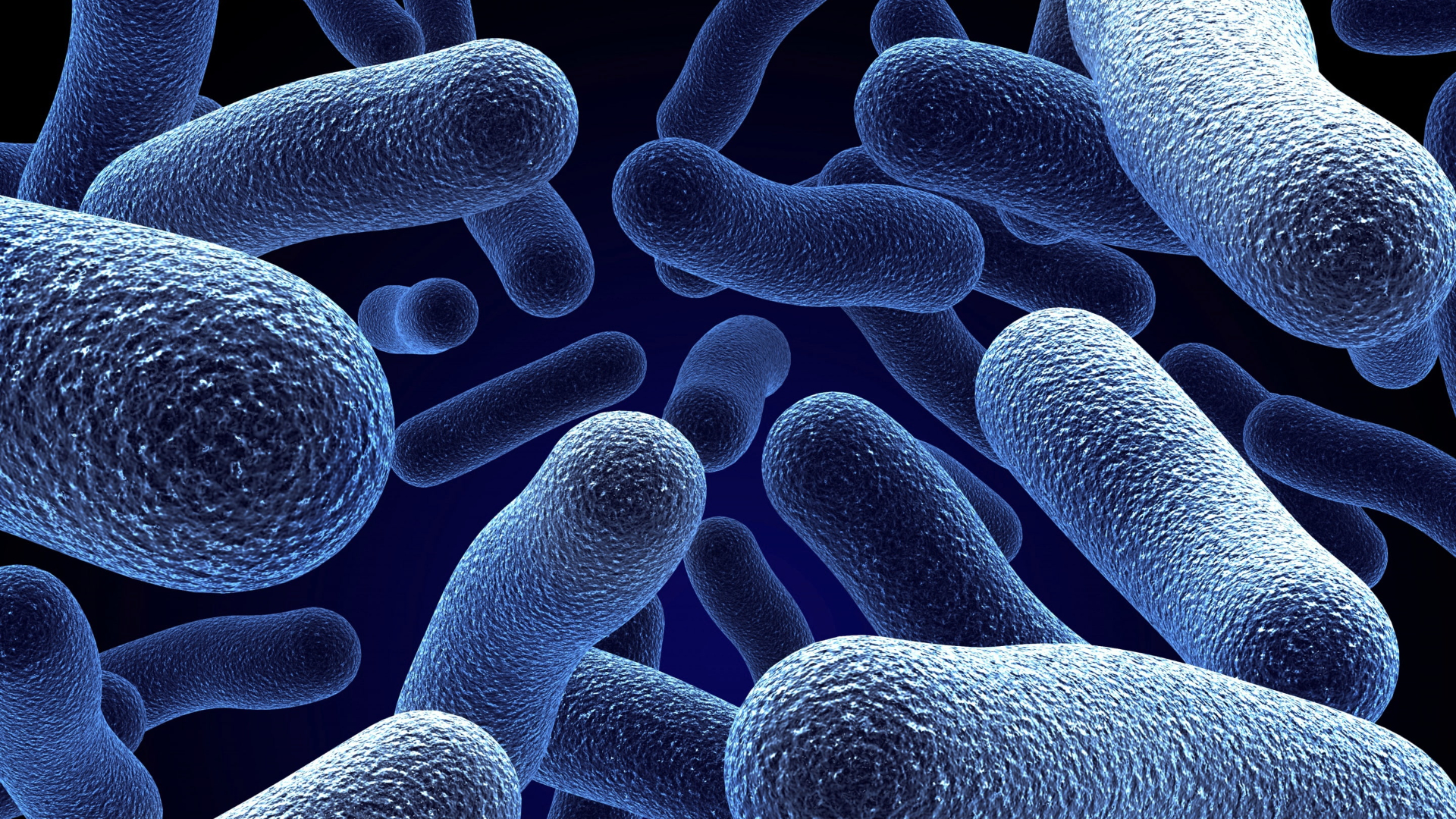
Could this theory be tested with plants? Could they be smarter if they have much better “root bacteria”. I thought so, and this is what I set out to test.
Method
Mirroring the work of Stefano Mancuso I chose bean plants to test my theory. Planting 6 beans in all. Two in coir – as bacteria-free a mix as I could find, the next in bark richer in bacteria and then soil from my garden – the most bacteria rich medium I could think of. To reduce the variables I grew them all under the same heat lamp and placed a single pole in the middle. It was my original theory that the first to the pole would be the most intelligent.
Prediction
The soil from my garden would cause the beans planted within to behave the most intelligently out of all the plants.
Results
The beans planted in coir were the first to the pole. However, this doesn’t really paint the whole picture of what happened. The more interesting result was unexpected as the two beans planted in the microbe-rich soil from my garden both seemed to work together to push these plants away from the pole. As I’d set the experiment up on my desk I witnessed this with my own eyes on two occasions. Each time one of the coir beans reached for the pole a bacteria-rich bean thwarted it away allowing it’s cohort to reach the pole.
Conclusion
I have no doubt that I am an amateur and that the experiment will need to be conducted under more controlled circumstances to ascertain if my assumptions are correct. However, I am tentatively ready to suggest that the more bacteria in the soil the more intelligent a plant can be. More rigorous further experiments will need to be undertaken in laboratory conditions with the resources to check the types of bacteria present in the soil in order to be certain that certain strains and possibly groups of microbes/bacteria do indeed work together.