
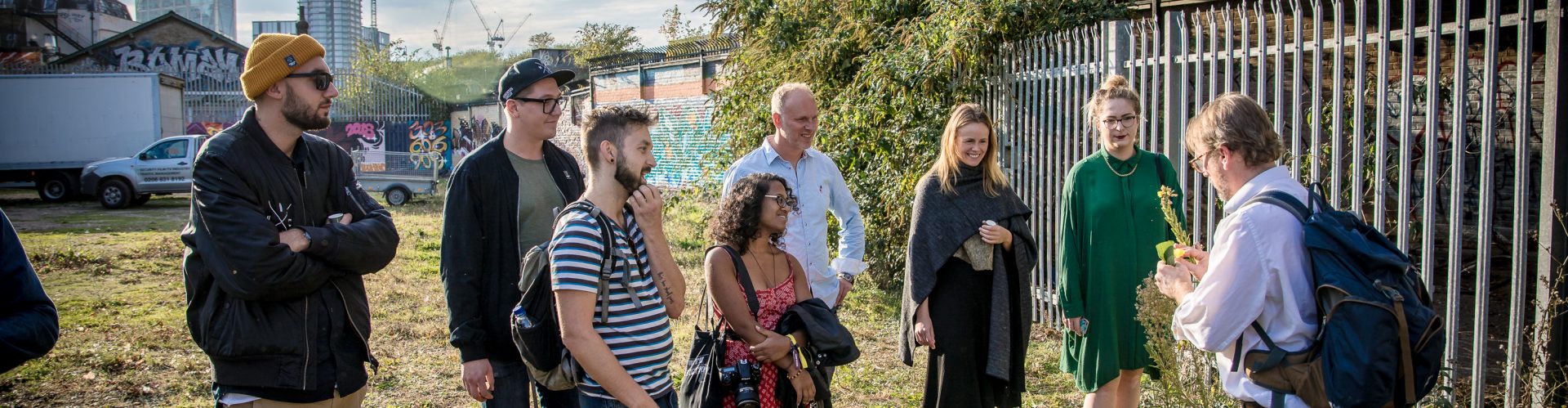
Urban foraging for wild food – Part two
I’ve been foraging in Bristol since around 2006 when I first arrived in the city. Over that time I have searched almost every green corner for wild food and drink ingredients; further educating myself with each trip across the city.
In 2006 I was earning a massive £50 a month in revenue from my first website, I wasn’t getting benefits and I contributed half of the rent and bills. I’m not sure how I actually did it, I think debt must have played a massive part! So, foraging actually became a bit of a necessity and I’d often head off on bike missions to gather food to supplement my diet. They were hard but fun times that I look back upon fondly.
Here are some of the main things that I learned in that year, top tips for urban foraging that have kept me going over the intervening years from then to now.
Foraging in the footsteps of others – an ideal place for urban foragers to learn

Some of the places that are home to the biggest array of food are also thoroughfares. There is one place in Bristol situated between a few smallholdings, it has plenty of bikes and people walking up and down it on a daily basis. It’s also near residential gardens and allotments, in a valley and near a body of water.
All this makes it the ideal place to learn about wild plants. The wind blows all sorts of seeds to the area from the allotments and gardens, due to the excess nitrogen from the fertilizers the plants are well fed and healthy and the many footsteps mean the ground is disturbed. Disturbed ground is great as the wild plant seeds that have been laying dormant in the soil are given the right conditions to germinate.
Urban foraging – fruit

Apples, plums, figs, and cherries are often left unpicked in towns and cities across the world. Nature knows no waste so the fruits will help feed the animals, insects, and the next year’s crop as they fall from the trees across the autumn and winter months. However, they will also feed you if you know where to look!
Check out alongside rivers, escapees from allotments, forest edges, and abandoned gardens. One of the best apple trees I used to forage from was from an old garden near the City of Bath. It once belonged to a house that was bombed out of existence in World War 2. Parts of the garden were still visible but the house was gone and the land was left wild and derelict – perfect!
Urban foraging in Parks
“Some people would call that stealing”, said a friendly park estates manager as I wandered through a busy city centre park with a bag bursting with stuff I’d picked from his herb garden. Not everyone is so kind and I really should have been a little bit more respectful. I mean I did desecrate his angelica!
Not everyone is quite as understanding, The Royal parks in London outlaw foraging and use quite emotive language on their website when describing us in order to ensure others feel the same way. So if you do want to plunder or pilfer a park then please check to see if they have a web presence and note their stance. There is always somewhere else you can pick and there are always better and more intelligent ways to fight prejudice.
Also, just be a little respectful of gardeners’ hard work. Don’t yank off half a plant (as I did), pull anything up and out by the root, or generally disturb the ornamental side of things. It is possible to forage sympathetically and thoughtfully without ruining the plants or other’s enjoyment of them. For example, I like to forage magnolia blossoms, they are great when making kimchi or can be dried and used as a powder that tastes like ginger! I only take a few and I stand back from the tree to check the aesthetics as I pick. Magnolias are beautiful trees and I wouldn’t want to spoil a possible watercolor masterpiece of a tree just because I’ve selfishly over picked.
Just remember. for certain sections of the population, foragers have a bad name and they will always think we are picking the countryside bare. By being a little bit respectful and understanding of the aesthetical beauty of a park and the needs of non-foragers, we can halt the need for future legislation against us.






Awesome adventure….childhood memories of wild berries and mushroom collecting in the ancient forests of central Europe….so refreshing to see that’s happening in tarmac strapped Britain… a ‘freelance granny’ now I like elderberry syrup (a panacea for any/winter ailments), nettle leaves tea,.. Fermented red cabbage once, now make/drink 1 litre water kefir daily, hope to grow/forage my small garden surrounded by a woodland farm in EastKent. ..
I’m a big fan of central Europe, a great area to forage. Thanks Ivonna. You’ve some great foragers down your way, you should look one up through the Foragers assocation you might teach them a thing or two!!!
Please let me know as soon as you release dates for Foraging events in 2024 🙂 thanks CJX
I’ll reserve you spot!