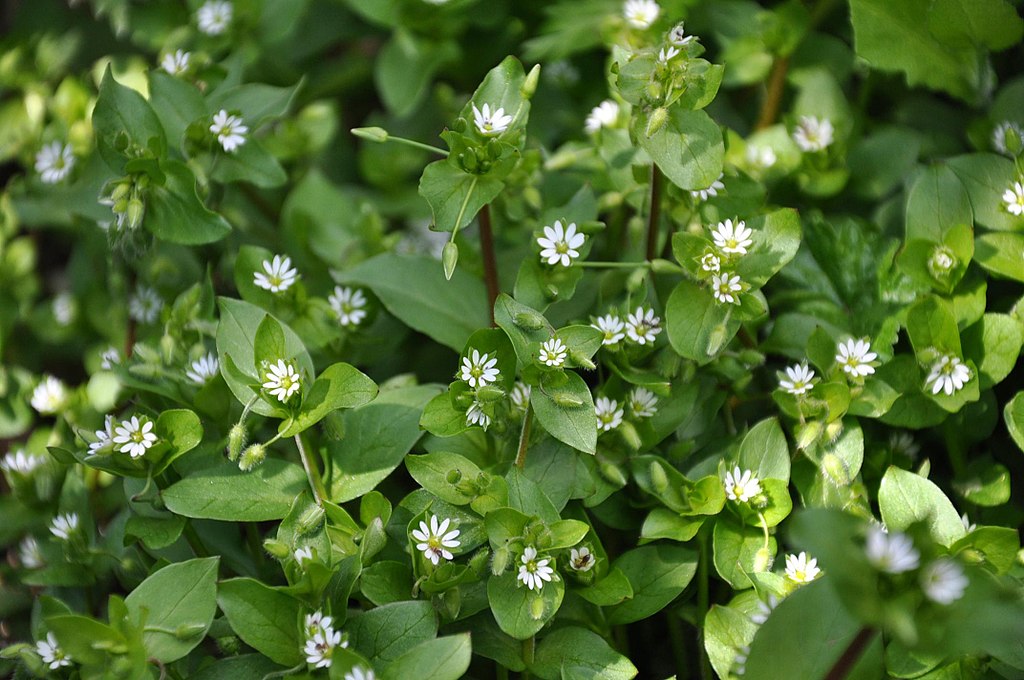
Chickweed – falling in love again
Recipes – Chickweed and pea soup – Chickweed sushi
I realised recently that Chickweed aka Stellaria media L. was my first plant love. I’d long forgotten the memory of it until a recent interview. I was asked where my love of plants began. Somewhere lodged deep in my mind was the image of chickweed glistening in the dappled light beneath the canopy of the pine trees. The place I played and my refuge for much of my childhood.
My brother and I would dig trenches for our Action man doll and in doing so we’d created perfect conditions for it. In the time it had taken to visit my Nan, Grandad, and Aunty in South London it had sprung up and grown to a couple of inches in height. It stood proud and tall (considering) along the top ridge of the front-line trench. It softened the battlefield, turned it into something else, something that caught me off guard holding me in its ethereal beauty, just as the poppies must have during the First World War. It’s a moment and an image that remains vivid and has helped to create a canvas on which I’ve painted much of my life.
I was visiting my parents recently and decided to check the same patch. It’s changed slightly, four decades of pine needles slowly matting the forest floor have leveled it off and acted as a mulch retarding most new growth. But, I was overjoyed to find that there is still a patch of chickweed in the same spot. I love how this can happen with wild plants. Once you find your foraging spot it often yields the same plants year after year.
Chickweed is one of those plants that’s so common and so readily available that it can easily be overlooked. I say this as I’ve often overlooked it, despite it being the plant that sparked my love of plants. I’ve always thought, tomorrow I’ll experiment with that tomorrow. This year I’ve decided that all my tomorrows are now. It’s time to explore the virtues of this tiny, beautiful, delicious plant that has mistakenly been classed as a weed.
Where can you find chickweed?
Chickweed is one of the most common plants in the UK. It really likes nutrient-rich soil, it will show up all over allotments, on agricultural land, and in well-fed gardens. It likes moisture and shade so look in similar spots where you might expect to find snails hiding.
How to Identify chickweed
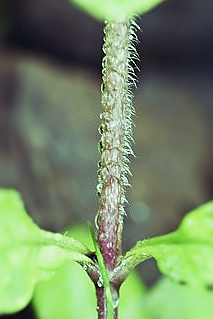
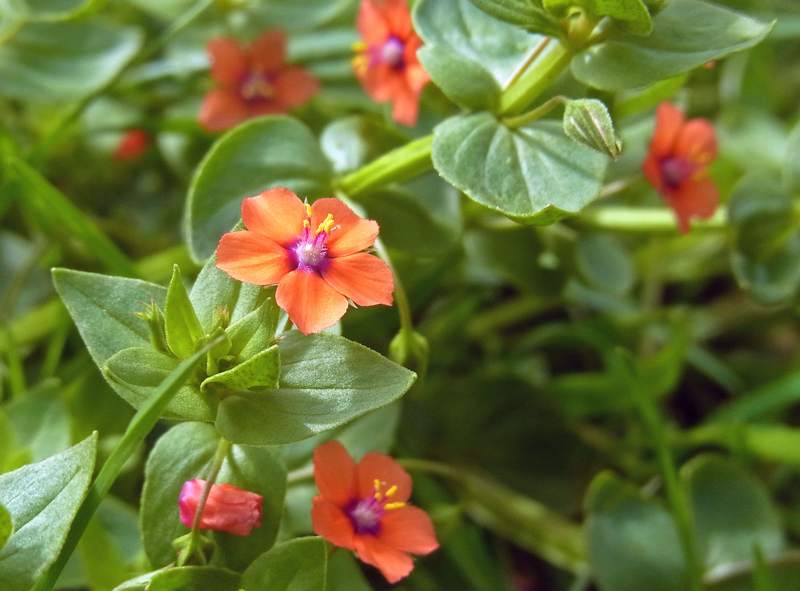
There are two rather nasty look-a-likes so do be careful, the pimpernels both scarlet and yellow. Once you get your eye in you’ll wonder why you ever doubted yourself. But you need to identify a few plants before you get to that point. Chickweed’s most distinguishing feature will help you out these are its distinctive hairs that grow along the stem of the plant – the pimpernels are bald.
Remember I told you that it likes moisture, well that’s what these hairs are all about. They trap moisture and then channel it down the grooved stem of the leaf; where it sits and will help quench the plant’s thirst in hot weather. Nither of the pimernels have leaf stems and their leaves grow right next to the stem of the plant.
The other thing to look for is the flowers, this is where Latin names come in handy. Stellaria media it means little star (sort of) and the white flowers are star-shaped. They are made up of five tiny petals that are V-shaped, giving the appearance that there are ten petals.
Scarlet pimpernel generally has red flowers (see image) but they can vary and be blue, pink, or even white. A tenner if you can guess what colour yellow pimpernels flowers are!
Chickweed in the Kitchen
To use simply clip off the tastiest top few leaves and leave the rest in the ground. It can get a bit stringy otherwise.
So far my experiments have shown that chickweed goes well in a salad it gives a kind of clean, earthy taste and it’s also packed full of nutritional goodness. But to write it off as simply a salad vegetable is to do it an injustice. I think its fresh taste is a boon to sushi, it also helps add a lift to fresh tasting vegetable soups.
Lastly, a very simple way to use it is to put a few leaves on a plate and then layer up your vegeatables on top. The chickweed will wilt down with the heat but still offer a subtle lift of a flavour.
You might take home from this that I think chickweed offers an earthy lift of a flavour to dishes. So go on, get out and experiment.